

Blogging in 2026 looks very different from a few years ago. You compete in a crowded space shaped by AI tools, search updates, and shifting traffic sources. At the same time, the blogging industry keeps growing and creating new chances for traffic, leads, and income.
There are now over 600 million blogs worldwide, and millions of active blogs compete for attention every day. Recent blogging statistics for 2026 show changes in post length, publishing frequency, AI adoption, and monetization. If you want to grow, you need clear data on how many blogs exist and how top sites perform.
This report breaks down the global blogging landscape, content trends, SEO performance, monetization models, and AI integration. You will see what works now, what is fading, and where the biggest opportunities sit in 2026.
Global Blogging Landscape
Blogging remains a large and active part of the web in 2026. Hundreds of millions of sites publish new content each day, and a small share of top-performing blogs capture most traffic and revenue.
Total Number of Active Blogs
Current data shows there are more than 600 million blogs worldwide, publishing about 7.5 million posts per day, according to recent blogging statistics for 2026. Not all of these are active blogs, but a large portion publish at least once a month.
You compete in a crowded space. Many blogs have thousands of indexed pages built over years of steady posting. Search engines reward depth, consistency, and strong internal linking.
High-performing sites often publish 16 or more posts per month. Reports show blogs with this frequency see 67% higher ROI, based on aggregated 2026 blogging data points.
You need a clear niche to stand out. Popular segments include:
- Food blog niche
- Lifestyle blogs
- Personal finance
- Health and fitness
- Digital marketing
These niches attract large audiences, but they also demand focused content and strong SEO.
Most Popular Blogging Platforms
Most bloggers rely on established blogging platforms. WordPress leads the market, especially the self-hosted version, because it gives you control over design, plugins, and SEO tools.
Website builders such as Wix and similar tools also support millions of blogs. Many new creators choose them for ease of use and built-in hosting.
Recent blog volume and platform statistics show that WordPress powers a significant share of active blogs worldwide. This dominance shapes plugin ecosystems, themes, and training resources.
When you decide how to start a blog, platform choice affects:
- Your ability to scale
- Page speed and technical SEO
- Monetization options
- Control over indexed pages
Top-performing blogs often choose flexible systems that support custom design and advanced analytics.
Blogger Demographics and Readership
Bloggers range from hobby writers to full-time publishers. Only about 14% of bloggers earn money, based on updated traffic and monetization statistics for 2026. Many run blogs as side projects.
Readers span all age groups, but younger adults consume blog content through search engines and social media. Mobile traffic now accounts for a large share of visits.
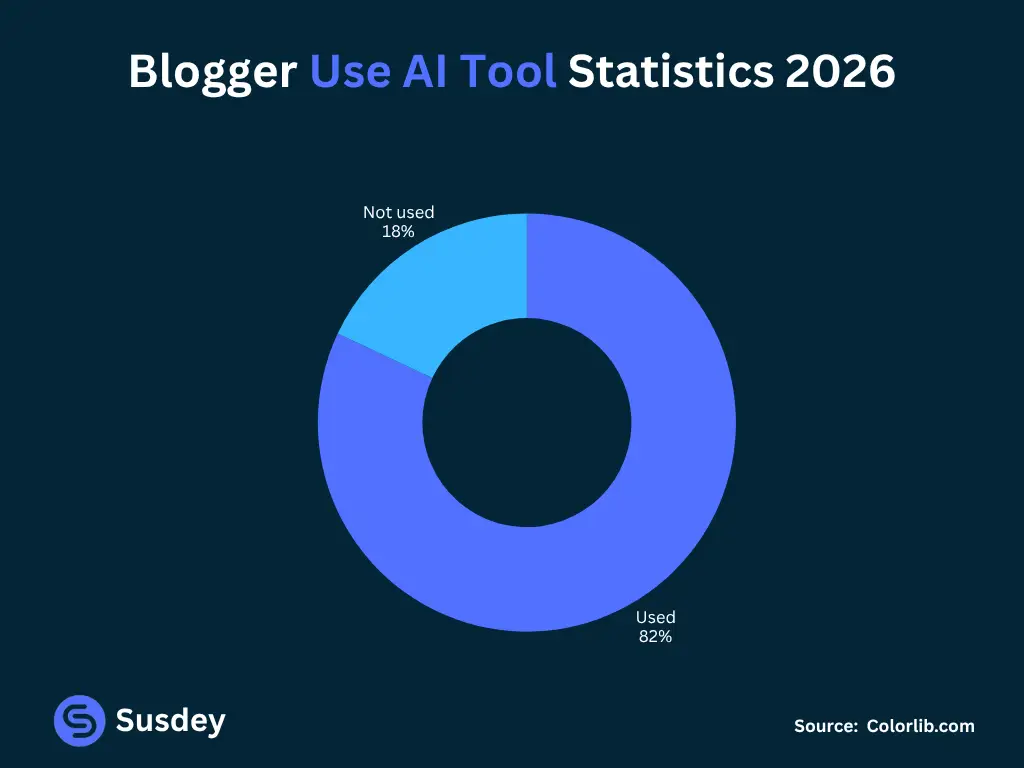
You also compete with AI-assisted publishing. Around 80% of bloggers use AI tools to help draft or edit content, according to recent industry reports. This increases output but also raises quality expectations.
Top-performing blogs focus on:
- Clear search intent
- Strong headlines
- Long-form content when needed
- Regular updates to older indexed pages
If you want steady traffic, you must treat blogging as a long-term system, not a single post strategy.
Content Creation Trends and Data
Blog performance in 2026 depends on how you balance content length, publishing frequency, format, and AI use. Data shows clear patterns in what drives traffic, backlinks, engagement, and rankings.
Optimal Blog Post Length
The average blog post length now sits at about 1,427 words, according to recent blogging statistics for 2026. That number reflects what most publishers produce, not what performs best.
Long-form content earns stronger results. Posts over 2,000 words gain 77% more backlinks than posts under 1,000 words. Articles above 3,000 words earn 3.5 times more backlinks and more social shares.
Top-ranking pages for competitive terms average about 2,100 words. You should match content length to search intent, not hit a word count target.
Use this quick comparison:
| Word Count | Avg. Backlinks | Avg. Time on Page |
|---|---|---|
| Under 1,000 | Low | Under 3 minutes |
| 1,500–2,000 | Moderate | ~5 minutes |
| 3,000+ | High | ~9 minutes |
Long guides, step-by-step instructions, and detailed tutorials work best when depth matters. Short posts still work for narrow topics or quick updates.
Publishing Frequency Effects
Publishing frequency has a measurable impact on traffic growth. Blogs that publish 16 or more posts per month see about 3.5 times more traffic than blogs that publish 0–4 posts.
Traffic gains rise quickly at first, then slow down. After about 11 posts per month, the return per extra post drops.
Consistency matters more than bursts of activity. Blogs that publish on a fixed schedule gain more traffic than those that post at random.
You should focus on:
- Consistent publishing
- A realistic posting frequency
- Updating older content
Updating existing posts often drives better results than publishing thin new content. Many high-performing blogs refresh content every 6 to 8 months, especially for competitive keywords.
Content Format Innovations
Format affects how users interact with your content. Readers skim, so structure matters.
Posts with a table of contents show higher engagement rates. This feature helps users jump to the exact section they need.
List-style articles earn about twice as many shares as standard posts. Interactive content such as quizzes also increases time on page and repeat visits, especially in B2C niches.
You should also consider:
- Adding 7 or more relevant images
- Publishing in-depth guides and ebooks
- Breaking long posts into clear sections
Strong formatting supports your content strategy. It also improves internal linking, which increases page depth and keeps users on your site longer.
Readability and Engagement
Most readers scan instead of reading every word. Clear structure improves readability and keeps users engaged.
Use:
- Short paragraphs
- Subheadings every few sections
- Bullet points for key facts
Long blocks of text reduce time on page. Clean design, fast load speed, and mobile responsiveness also improve engagement.
Optimized meta descriptions can raise click-through rates by over 20%. Once users land on your page, clear step-by-step instructions and direct language help maintain focus.
You should write at a level that matches your audience. Simple language increases clarity and reduces bounce rates.
AI Content Usage Trends
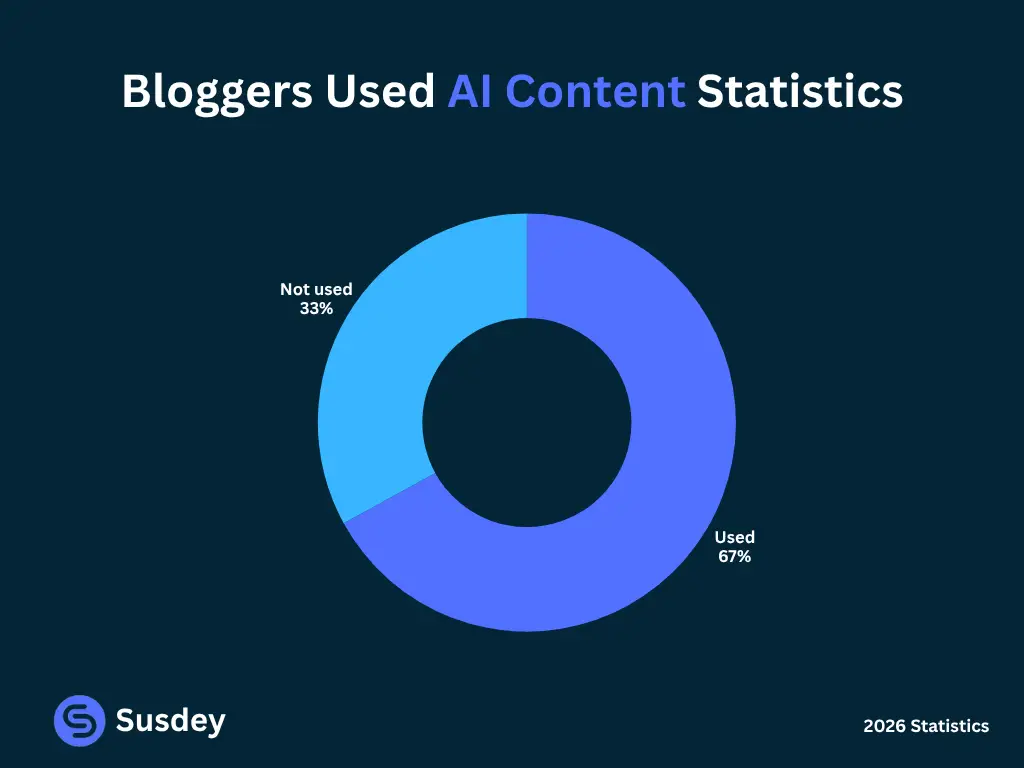
AI writing tools now shape most content workflows. About 67% of bloggers use AI in some way, based on recent 60+ data points on traffic, income, AI, and SEO.
Usage falls into three main groups:
- AI for outlines and research
- AI-assisted content with heavy editing
- AI-generated content with minimal editing
Pure AI-generated content tends to rank lower over time and shows weaker engagement. AI-assisted content performs closer to fully human-written posts, while reducing production time by 40% to 60%.
You should treat AI as a productivity tool, not a replacement for expertise. Add original insights, examples, and data. Strong editing and subject knowledge remain critical for long-term rankings.
Traffic, SEO, and Performance Insights
Blog traffic in 2026 depends on search visibility, strong inbound links, and clear content structure. You need to track where visits come from, how search rankings shift, and how zero-click searches affect organic traffic.
Main Traffic Sources for Blogs
Organic search remains the top driver of blog traffic. Data from Blogging Statistics | Fact-Checked 2026 shows that 62% of blog traffic comes from organic search.
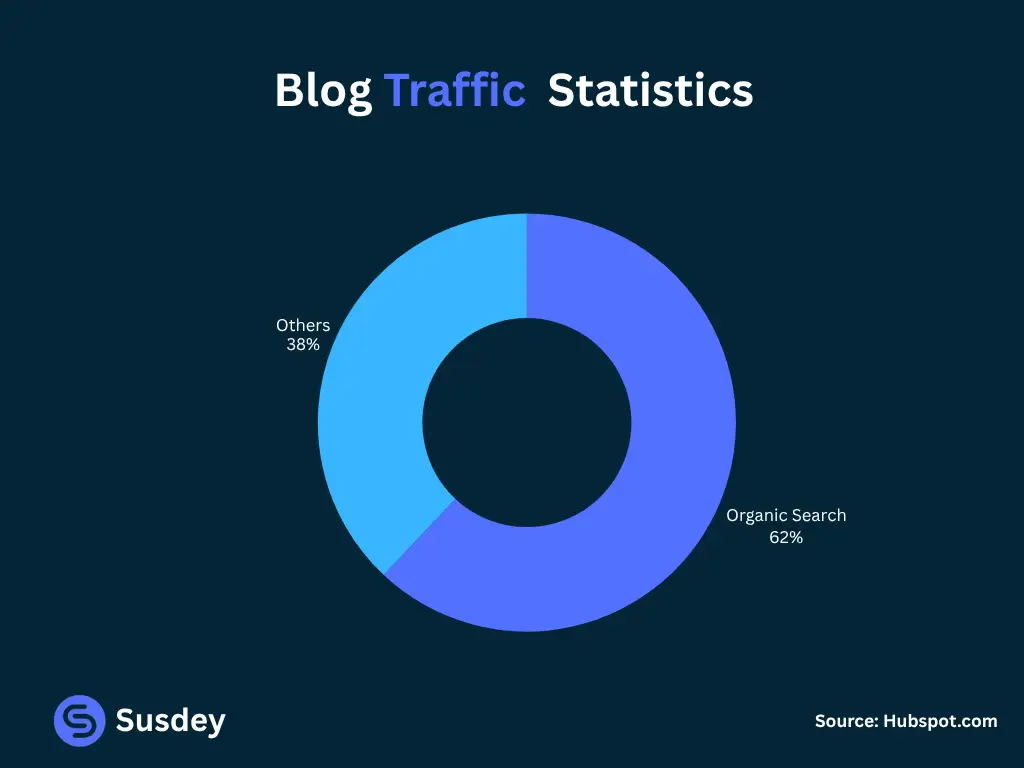
That means search engine traffic still brings most readers to your site. Social media, direct visits, email, and referrals fill in the rest, but they rarely match organic search traffic in volume.
Another report notes that blogs receive about 70% of traffic from organic search. This makes your SEO strategy a core growth lever, not a side task.
You should monitor:
- Organic traffic share
- Bounce rate
- Pages per session
- Indexed pages in Google
Websites that publish consistent content often build more indexed pages. More indexed pages can act as a traffic multiplier, especially when you target long-tail keywords and build topical authority around one theme.
Search Rankings and SEO Tactics
Search rankings still control visibility. The first result in Google earns 27.6% of clicks, based on data highlighted in SEO Statistics 2026. Lower positions see sharp drops in click-through rate.
You should focus on moving pages up even one spot. Small ranking gains can drive meaningful increases in organic traffic.
Effective SEO tactics in 2026 include:
- Strong keyword research using tools like Ahrefs and Semrush
- Clear search intent matching
- Internal links that connect related posts
- Regular content updates to improve content performance
Long-tail keywords matter more than ever. Research shows that 94.74% of keywords have search volumes of 10 or less, according to data cited in 126 SEO Statistics 2026. Ranking for many small terms can outperform chasing one high-volume phrase.
You should also review bounce rate by query type. Informational posts often see higher bounce rates, while comparison or transactional posts tend to drive deeper sessions.
Backlinks and Inbound Link Generation
Backlinks remain a strong ranking factor. The top Google result typically has 3.8 times more backlinks than lower-ranked pages, according to findings referenced in Searchlab’s SEO Statistics 2026.
However, link quality now matters more than raw volume. You should prioritize:
- Relevant inbound links from niche sites
- Editorial mentions
- Guest posting on trusted blogs
- Digital PR campaigns
Guest posting still works when you focus on authority and audience fit. Avoid large-scale link swaps or paid link schemes that risk penalties.
Internal links also support rankings. They distribute authority across your site and help search engines understand structure. A strong internal linking system can improve indexed pages, lower bounce rate, and act as a traffic multiplier by pushing readers to related posts.
Organic Search and Zero-Click Shifts
Zero-click searches continue to reshape blog traffic. Recent data shows that 27.2% of U.S. searches end without a click due to AI answers and featured results, as reported in Search engine trend data for 2026.
AI Overviews now appear for many informational queries. These summaries reduce clicks for basic definition-style content.
You should adapt by:
- Targeting comparison and decision-focused keywords
- Adding unique data, examples, and expert insights
- Structuring content for possible AI citations
- Optimizing for featured snippets
When AI Overviews cite your page, you still gain brand visibility, even if traffic drops. Focus on research-stage and commercial-intent queries, where users need validation and are more likely to click.
Your goal is not just rankings, but resilient organic search traffic that can withstand zero-click searches and shifting search behavior.
Monetization, Lead Generation, and Niches
You earn revenue from blogs through affiliate links, sponsored posts, ads, digital products, and services. You also use blogging to drive qualified traffic, grow email lists, and convert readers into leads and customers.
Affiliate Marketing and Sponsored Content
You can earn steady revenue with affiliate marketing when you match products to reader intent. High buying intent posts such as product reviews, comparisons, and tutorials often convert better than general advice articles.
Industry reports in this 2026 blogging statistics breakdown show that affiliate marketing and sponsored content remain two of the most common income streams for content creators. Bloggers who focus on search traffic and clear calls to action tend to report stronger conversion rates.
Sponsored content works best when your blog has clear niche focus and steady traffic. Brands look for audience fit, engagement, and consistent publishing, not just pageviews.
You increase results when you:
- Publish detailed product guides.
- Use clear affiliate disclosures.
- Track clicks and conversion rates.
- Update high earning posts often.
Longer posts often perform well in search. Data from multiple studies summarized in Blogging Statistics (2026): 60+ Data Points on Traffic, Income, AI, and SEO shows that in depth articles often exceed 1,000 words, especially in competitive niches.
Business Blogging and Lead Growth
You use business blogging to support lead generation. Companies publish blog content to rank in search, attract decision makers, and move readers into email funnels or demo requests.
Recent business blogging statistics for 2026 highlight that blogs still drive measurable traffic and leads when tied to SEO and clear offers. Blogs that align posts with buyer questions see stronger results than those that publish broad topics.
You improve lead generation when you:
- Target specific keywords with buying intent.
- Add strong calls to action.
- Offer lead magnets tied to the topic.
- Measure form fills and assisted conversions.
Average blog post length often ranges from 1,000 to 1,500 words for B2B topics. However, clarity matters more than word count. You should publish on a consistent schedule to build authority and maintain rankings.
Blogger Income and Profitable Niches
Your income depends on niche choice, traffic quality, and monetization mix. Broad topics bring traffic, but focused niches often convert better.
Data collected in this overview of blogging statistics for 2026 shows that niche selection, diversified revenue streams, and consistent publishing strongly affect blogger income. Bloggers who rely on one income source face more risk.
Common profitable blog niches include:
- Personal finance
- Health and fitness
- Technology
- Marketing
- Food blog niche sites with strong SEO
The food blog niche remains competitive but profitable when you combine search traffic with ads, affiliate tools, and brand partnerships.
Income varies widely. Some bloggers earn part time income, while others build full time businesses. You increase stability when you diversify across affiliate marketing, sponsored content, ads, and digital products.
Digital Products and Owned Audiences
You gain more control when you sell digital products such as courses, templates, printables, or memberships. Unlike ads or sponsored content, you keep most of the revenue.
An industry snapshot in Blogging Statistics 2026: Industry Data & Content Marketing Trends highlights how content creators increasingly invest in owned channels such as email lists and communities. An owned audience protects you from algorithm changes.
You grow an owned audience by:
- Offering free lead magnets.
- Building email sequences.
- Creating community spaces.
- Publishing consistently.
Digital products often convert best when your blog already builds trust. Clear positioning, proof of results, and simple pricing increase sales.
When you pair SEO traffic with email marketing and digital offers, you create a system that supports both lead generation and long term blogger income.
AI, Tools, and Technology Integration
AI tools, multimedia formats, and analytics platforms now shape how you plan, create, and measure blog content. You compete in a space where speed, quality, and data matter at the same time.
Rise of AI Writing and SEO Tools
You now work in a market where AI use is common. According to recent blogging statistics for 2026, most bloggers use AI tools in some part of their workflow.
You use AI writing tools to generate outlines, draft sections, improve headlines, and suggest edits. These tools help you publish faster, but they do not replace research or subject knowledge. Strong results still depend on clear structure, accurate facts, and careful editing.
SEO platforms like SEMrush and Ahrefs guide your keyword research, backlink analysis, and competitor tracking. You rely on them to find ranking gaps, update old posts, and improve internal links.
You also need to adapt to AI overviews in search results. When search engines summarize answers at the top of the page, you must write concise introductions, clear subheadings, and structured content that machines can interpret. Schema markup, strong meta descriptions, and logical formatting improve your visibility.
Content Repurposing and Multimedia Blending
You no longer publish blog posts as text alone. You turn one article into multiple formats to expand reach and extend value.
For example, you can:
- Convert key points into short vlogs
- Record a summary as a podcast
- Share data charts on social media
- Create short video clips for reels
This approach supports modern content marketing strategies. It also aligns with current blogging statistics 2026 industry data and content marketing trends that show brands investing more in multi-channel distribution.
You should also embed multimedia directly in your posts. Add videos, audio clips, and visual charts to increase time on page. Use a clickable table of contents so readers can scan long articles quickly.
Blending formats helps you serve both readers who skim and those who want depth.
Interactive and Data-Driven Content Formats
Static articles face heavy competition. You can stand out by adding interactive content that invites action.
Common formats include:
- Quizzes that test knowledge
- Polls that collect reader opinions
- Calculators that estimate costs or results
- Interactive charts that show filtered data
These formats increase engagement because readers participate instead of only reading. They also give you first-party data about audience interests.
Data-driven posts perform well when you present clear statistics, charts, and original insights. Cite reliable industry data and explain what it means in practical terms.
When you combine original research with expert commentary, you improve credibility and attract backlinks. This strengthens your SEO performance over time.
Measuring Content Success
You cannot improve what you do not measure. You need clear metrics tied to business goals.
Track content performance using tools like Google Analytics, SEMrush, and Ahrefs. Focus on:
| Metric | Why It Matters |
|---|---|
| Organic traffic | Shows search visibility |
| Keyword rankings | Tracks SEO progress |
| Time on page | Signals engagement |
| Conversions | Measures business impact |
| Backlinks | Reflects authority |
Many posts receive little or no search traffic. In fact, research cited in blogging traffic and SEO statistics for 2026 shows that a large share of blog posts fail to attract Google visits.
You should update old posts, improve internal links, and refresh outdated data. Test new headlines and refine calls to action. Measure results monthly, not once a year.
When you treat blogging as a measurable system, not just publishing, you gain control over growth.
Emerging Blogging Trends and Future Outlook
Blogging in 2026 rewards focus, depth, and disciplined execution. You compete in a crowded market shaped by AI tools, zero-click search, and rising content volume, so you must publish with purpose and authority.
Niche Expertise and Topical Authority
You win more traffic when you narrow your focus.
There are now over 600 million blogs worldwide, and millions of new posts go live each day. Broad, general blogs struggle to stand out in this volume. Niche blogging helps you compete.
Topical authority matters more than isolated posts. You build it by covering one subject in depth through:
- Detailed guides and ebooks
- Interlinked long-form content
- Original data or expert quotes
- Clear content clusters around one theme
Long-form content still performs well when it serves search intent. Data shows that 39% of bloggers publishing 2,000+ word posts report strong results, according to Blogging Statistics 2026: 60+ Data Points.
You should publish consistently within one niche instead of chasing trends across many topics. Search engines reward depth and structure, not scattered effort.
Shifts in Search and Discoverability
Search behavior is changing fast.
AI overviews and zero-click searches reduce the number of users who click through to websites. Research shows that over 90% of blog posts receive no traffic from Google, based on data summarized in Blogging Statistics 2026: Industry Data & Content Marketing Trends. That makes optimization critical.
You must treat SEO as a traffic multiplier, not an afterthought. Focus on:
- Updating older posts
- Improving internal links
- Targeting clear search intent
- Writing concise answers near the top of articles
Many readers skim. In fact, most spend less than a minute on a post and focus on headings and summaries. Structure now influences visibility as much as keywords.
You also need traffic beyond search. Email lists, social channels, and downloadable guides and ebooks reduce your reliance on search engines alone.
Sustaining Success Amid Content Saturation
Content volume keeps rising, and AI speeds it up.
In 2025, 95% of bloggers report using AI at least sometimes, according to Blogging Statistics 2026: 150+ Content Data Points. AI helps with outlines, drafts, and editing, but it does not guarantee results.
Consistent publishing still separates high performers. Bloggers who publish more often, while maintaining quality, report stronger outcomes. Yet frequency alone is not enough.
You sustain growth when you combine:
- Consistent posting frequency
- Strong editing standards
- Data-backed insights
- Clear monetization strategy
You also refresh old content instead of only creating new posts. Updating existing articles often drives better returns than starting from scratch.
In a saturated market, you do not need more content. You need better structure, clearer positioning, and steady execution over time.
Conclusion
Blogging remains active in 2026, but it demands focus. You compete with scale, speed, and rising content standards.
About 7 million blog posts publish each day, which raises the bar for quality and SEO. Recent blogging statistics for 2026 show that many businesses still rely on blogs as a core marketing channel.
You also face clear performance benchmarks. Multiple blogging statistics data reports for 2026 highlight trends in traffic, income, AI use, content length, and publishing frequency.
Key patterns you should act on:
- Search remains a primary traffic driver
- Longer, structured posts often rank better
- AI tools are now common in content workflows
- Consistency impacts traffic growth
Audience behavior continues to shift. The latest 2026 blogging data report shows changes in engagement, publishing schedules, and content expectations.
You cannot rely on posting and hoping for results. You need clear keyword targeting, helpful content, and steady publishing habits.
When you align SEO, reader intent, and consistent output, your blog becomes an asset. The data supports disciplined execution, not guesswork.